

Welcome
It may seem like only sommeliers and wine experts can tell a good wine from a bad one, but anyone can learn how to do it with some help. You don’t need a lot of training, expensive tools, or years of tasting experience to tell if a wine is good. Even if you’re new to wine, you can judge its quality with confidence if you know what to look for, like aroma, balance, clarity, finish, and overall structure. This guide makes the process easier by breaking it down into simple, useful steps that help you figure out what is most important when picking a good bottle.
Take a Look at the Wine’s Look
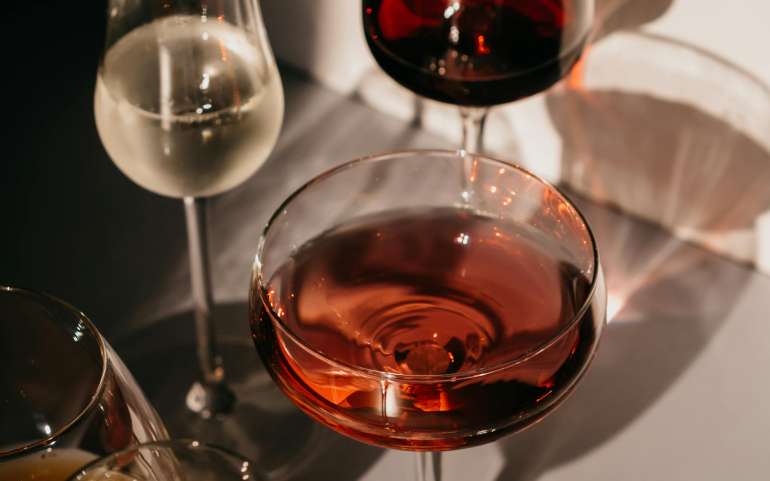
The first thing you should do to judge wine is to look at it in the glass. A good wine should be clear and bright, which means it should look clean instead of cloudy. In some natural wines, cloudiness is intentional, but in most cases, it means that the wine wasn’t filtered well or that it might have gone bad. The colour of red wines can tell you a lot about the type of grape and how concentrated it is. A deep ruby colour could mean that the wine is full-bodied, like Cabernet Sauvignon. A lighter garnet colour could mean that the wine is Pinot Noir. White wines should also look clear, and the colours can be anything from pale straw to deeper gold. Colour alone doesn’t mean quality, but clarity and liveliness usually show that the wine was made with care.
Notice the Smell
The smell of a wine, also known as its “nose,” is one of the best ways to tell how good it is. The smells get stronger when you gently swirl the glass. A good wine usually has smells that are clean, pleasant, and well-defined. Depending on the kind of wine, you might taste fruit, flowers, spices, or earthy notes. One sign of quality is complexity, which means that the smell has more than one distinct scent. A wine that smells only like alcohol might not be well-made, but a wine that smells like berries, vanilla, and oak shows that it was made with more care. Bad smells, like vinegar, rotten eggs, or wet cardboard, are signs of problems and should be taken as a warning.
Taste for Structure and Balance
One of the most important things about good wine is that it is balanced. There is no one quality in a balanced wine that stands out more than the others, like sweetness, acidity, tannins, or alcohol. The flavours should work well together when you drink it. Sweetness should not be too sweet, acidity should not be too strong, tannins should not be too bitter, and alcohol should not burn the throat. Even if they are bold or complex, well-made wines feel smooth and balanced. Structure is how these parts help the wine’s body and flavour grow. Even people who are new to wine can tell if it is balanced because it feels good and satisfying instead of sharp, flat, or aggressive.
Pay attention to how deep the wine’s flavour is.
A good wine usually has depth, which means it doesn’t taste flat. You might taste more than one flavour instead of just one. A good red wine, for example, might start with bright berry flavours, then move on to earthy or spicy notes, and finally end with soft tannins. A white wine might start out tasting like citrus and then change to tasting like flowers or minerals. Depth doesn’t mean the wine has to be heavy or strong. Even light wines like Pinot Grigio can have subtle layers. A wine that doesn’t have depth, meaning it tastes flat or fades right away, is usually of lower quality or was made too quickly.
Check out the Finish
The “finish” is the taste that stays in your mouth after you drink the wine. A long, pleasant finish is common in high-quality wines. This flavour that lasts shows that the wine has a lot of depth and structure. A short finish, where the taste goes away right away, is common in cheap or mass-produced wines. The end should also feel clean, not rough. If the aftertaste is bitter, sour, or burns, the wine may not be balanced or well-made. The longer the flavours stay with pleasant feelings, the more refined the wine usually is.
Make sure the wine is smooth and consistent.
Even if they are full-bodied or have a lot of tannins, good wines almost always feel smooth on the tongue. Smoothness doesn’t mean the wine is soft; it means that all of its parts work together without any rough edges. Consistency is also important. Each sip should taste the same, not like some are watery and others are too strong. This consistency shows that the winemaker used good methods, such as ageing, blending, and fermenting the wine correctly. You probably have a bottle of wine that was made with care and skill if it feels stable and well-rounded.
Learn to Read the Label for Clues
You can tell a lot about the quality of a product just by reading the label carefully, even if you don’t taste it. Find out things like the region, the vintage, the type of grape, and the alcohol level. Wines from famous areas usually have to meet strict production standards, which makes it more likely that they will be good. The year of the vintage tells you when the grapes were picked. In some areas, good years usually make better wines. The type of grape can also give you a clue about the quality of the wine. In some climates, some types of grapes always make better wines. The alcohol percentage can tell you how ripe and strong the wine is. Labels that give a lot of information usually mean that the winery is proud of its work.
Quality Doesn’t Always Mean Price
A lot of new wine drinkers think that expensive wine is always better, but that’s not true. Some expensive wines are made with great care and rare grapes, but many cheap wines are also very good. Cost doesn’t matter as much as balance, flavour, and complexity. Some wineries spend a lot of money on marketing and packaging instead of making good wine, which makes their bottles too expensive. Small producers, on the other hand, often make great wines at reasonable prices because they care about quality. It’s better to learn to trust your senses than to just look at the price.
Final Thoughts
As a beginner, you can easily find a good wine if you know what to look for. The most important parts are the look, smell, balance, depth, finish, and smoothness. Each of these things gives you important information about how well the wine was made and how good it will taste. You can also make better choices by reading labels and knowing that the price doesn’t always mean good quality. With some practice, you’ll be able to confidently choose good wines and tell the difference between average and great bottles. You will enjoy wine tasting much more once you know these basic rules.
Questions and Answers
Q1: Is it possible for a cheap wine to be good?
Yes. A lot of cheap wines taste good and are well-balanced. Quality isn’t just about the price.
Q2: What is the best way to tell if a wine is good?
Balance. If the sweetness, acidity, tannins, and alcohol in a wine work well together, it is probably good.
Q3: How important is it for wine to be clear?
Clarity is usually a good sign because it means the wine was filtered properly. However, some natural wines may be cloudy on purpose.
Q4: Does a longer finish always mean the wine is better?
Yes, often, because a long finish shows that the wine is complex and well-structured.
Q5: Is it true that beginners can really tell how good a wine is?
Yes, for sure. With some help and practice, anyone can learn to spot important quality markers.
Q6: Can I trust wine ratings?
Ratings can help, but they shouldn’t be the only thing you use to decide what you like.
Q7: What can I do to get better at tasting wine?
Practice often, taste wines next to each other, and write down what you smell, taste, and finish.